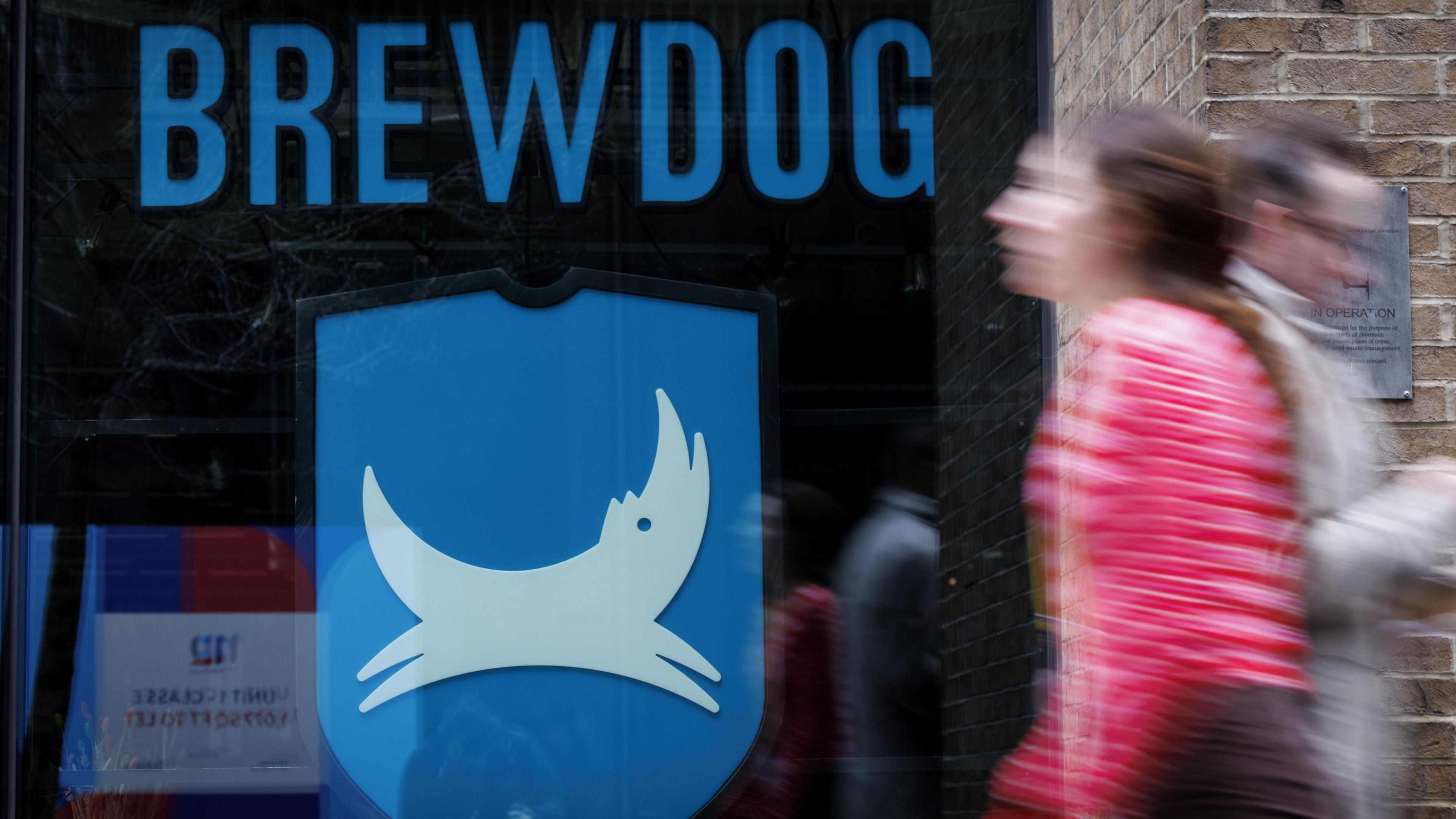
Aberdeenshire-based Brewdog had more than £500m of debts when it was sold
ByPaul Hastie
BBC Scotland
Several creditors of collapsed Scottish beer giant Brewdog are not expected to receive anything from the administration process.
A report from administrators AlixPartners said there were “insufficient funds” for payouts from Brewdog’s retail arm – including £2.4m owed to HMRC for unpaid VAT.
Brewdog had also owed £489,000 for wages and holiday pay, which will not be paid through the administration process. Staff have instead received compensation from the UK government’s Insolvency Service.
The Aberdeenshire-based brewer had more than £500m of debts when it was sold in March to US drinks firm Tilray in a £33m rescue deal.
BrewDog’s takeover saw 38 bars close across the UK and £20m in unpaid bills left to hundreds of UK businesses.
Unpaid businesses ranged from coffee shops, bakeries and laundry services, to lawyers, councils and holiday parks.
Creditors included West Ham United FC, Lord’s Cricket Ground and Manchester University.
AlixPartners said there were now “insufficient funds” for preferential creditors to be repaid.
This is due to lower than expected funds raised through sales of Brewdog assets and increased costs during the administration period.

Martin Dickie and James Watt founded Brewdog in 2007
The administrators cited unforeseen costs around the security of closed Brewdog pubs after a number of “unauthorised occupiers” gained access.
AlixPartners said it worked with landlords and lawyers to remove them.
The report highlights small amounts of money raised through asset sales. These include:
-
A 7.8 acre field in Potterton, Aberdeenshire, which sold to a local farmer for £41,300
-
Nine Brewdog vehicles of “old age and varying roadworthiness” that made only £6,250 from just one sale. The rest were abandoned.
-
A settlement involving drinks equipment sold to Marylebone Cricket Club, which owns Lords, which generated £62,000.
Get in touch
Are you a Brewdog creditor or worker affected by this? What impact has it had?
Parent company BrewDog PLC is still expected to pay its preferential creditor, HMRC, in full for £3.66m tax owed – mainly VAT and excise duty.
Brewdog’s biggest debt was to financial services group HSBC, which was owed more than £61m across various banking arms.
It has recovered tens of millions of pounds, but still faces an estimated shortfall of £16.8m.
The report noted that this could be reduced through asset sales in the United States.
Private equity backer TSG, which took a 22% stake in the brewer in 2017, is set to lose £27.6m.
Brewdog also owes around £190m to unsecured creditors. They are expected to receive less than a penny in the pound of what they are owed.
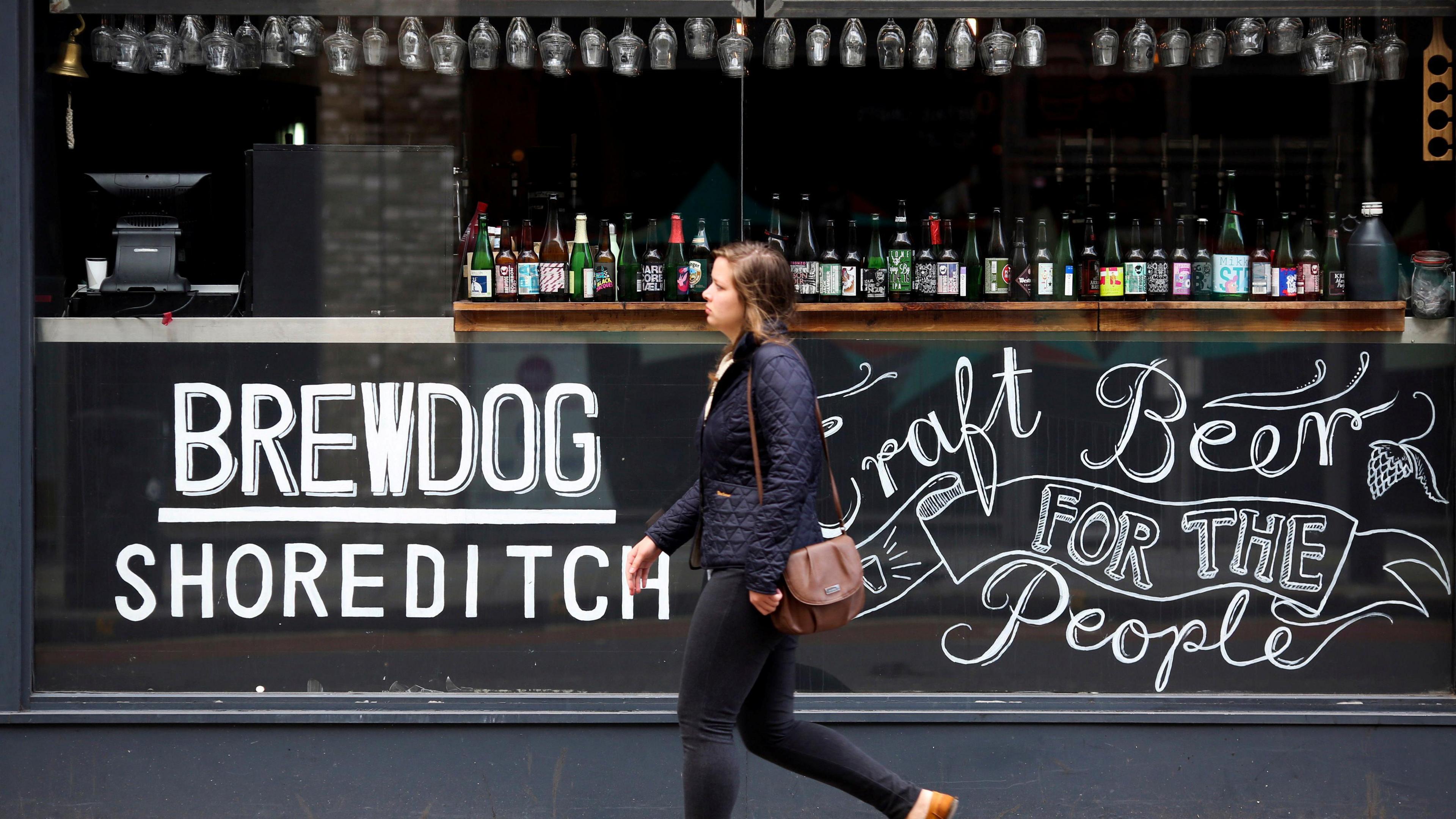
Brewdog’s collapse brought the immediate closure of 38 UK pubs
In March 440 staff were made redundant and 736 employees transferred to Tilray, after the US firm bought Brewdog’s brand and UK operation.
Redundant staff can claim for unpaid wages through the government’s Insolvency Service. AlixPartners said workers were given information on this support.
Eleven bars were retained as part of the sale while 38 other pubs closed immediately.
Brewdog’s collapse also rendered the shares of about 200,000 crowdfunding investors worthless.
Earlier this year, Alixpartners confirmed that investors in the Equity for Punks scheme would get no return on their shares.
Staff apology
Investors typically spent about £500 on shares – although others invested much larger sums – in return for a stake in the company, discounts and perks.
The administrators stated these shares now had “no value”.
Brewdog, which was founded in 2007 by friends James Watt and Martin Dickie, had four breweries and about 100 pubs across the world at its peak.
Watt said he was “heartbroken” after the collapse and apologised to staff and investors.
Brewdog’s owner Tilray has been approached for comment.